The Power of Performing Arts: How Stage Experience Shapes Confident Children
Children who perform on stage gain a confidence that stays with them forever. Here's what stage experience actually builds — and why it matters.
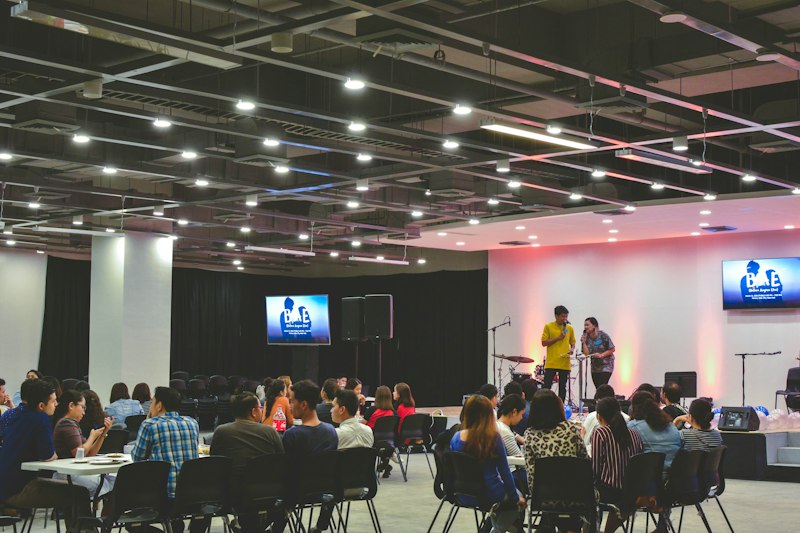
There is a moment every performing arts teacher lives for: watching a shy, hesitant child walk out on stage for the first time and, somewhere in the first few seconds of their performance, transform. Their shoulders pull back. Their eyes find the audience. A smile — genuine, radiant — spreads across their face. In that moment, something profound has shifted. They know they can do this.
What Stage Experience Actually Teaches
Performance is not just about the show. Everything that leads up to the performance is where the real learning happens. Children learn to prepare systematically, to manage nerves, to recover from mistakes without falling apart, to support their fellow performers, and to take pride in collective achievement. These are life skills of the highest order.
Managing Stage Fright
Stage fright is one of the most common human fears — and one of the most manageable with practice. Children who perform regularly learn that nervousness before a performance is normal and manageable. They develop personal techniques for calming anxiety and converting nervous energy into focused performance. This ability to manage performance anxiety is directly transferable to exams, interviews, presentations, and any high-stakes situation in life.
Learning to Fail and Recover
In performance, things go wrong. A forgotten step, a missed cue, a costume malfunction. Children who perform learn the invaluable skill of recovering gracefully — smiling through the slip-up, adapting in real time, and continuing with composure. This is resilience in its most practical form, and it is learned nowhere more effectively than on stage.
Building Public Speaking Confidence
Studies show that children who participate in performing arts are significantly more confident public speakers. They are comfortable being observed. They can project their voice, make eye contact, and hold an audience's attention. In a world where effective communication is one of the most valuable professional skills, this early training is invaluable.
The Pride of Accomplishment
When a child receives applause at the end of a performance, they are experiencing one of the most genuine forms of positive feedback available to a human being. That applause says: I see what you did. I appreciate it. You mattered here. This experience of being seen and appreciated builds a deep, earned confidence that is entirely different from empty praise.
At Talent World, we give every child regular performance opportunities — recitals, annual shows, school and community events, and competition stages. We believe every child deserves to know what it feels like to stand in the spotlight and shine.

Pratibha Goswami
Teacher & Founder, Talent World Rajsamand
Want to enrol your child?
Join our classes in drawing, music, dance and crafting at Talent World, Rajsamand.