Art and Music in Early Childhood: What Neuroscience Tells Us
Modern brain science has revealed extraordinary things about how art and music shape the developing brain. The findings will make every parent reconsider screen time.
For most of human history, arts education was considered as essential as reading and arithmetic. Ancient Greeks required music as part of every child's education. The great Indian gurukul tradition included music, dance, and visual arts alongside philosophy and mathematics. Now, modern neuroscience is telling us what the ancients already knew: arts education doesn't just enrich life — it builds brains.
The Critical Period of Brain Development
The brain is most plastic — most capable of growth and reorganization — in the first decade of life. Experiences during this period don't just teach children skills; they literally shape the architecture of the brain. What children learn between ages 3 and 12 creates neural pathways and connection patterns that persist for life. This is why early arts education is not supplementary — it is foundational.
Music Grows the Brain
Research using MRI imaging has shown that the brains of musicians are measurably different from those of non-musicians — with more developed motor cortex, auditory cortex, and connections between the brain's two hemispheres. The earlier musical training begins, the more pronounced these differences. These structural changes correlate with better working memory, language processing, and mathematical ability.
Visual Art Sharpens Cognitive Observation
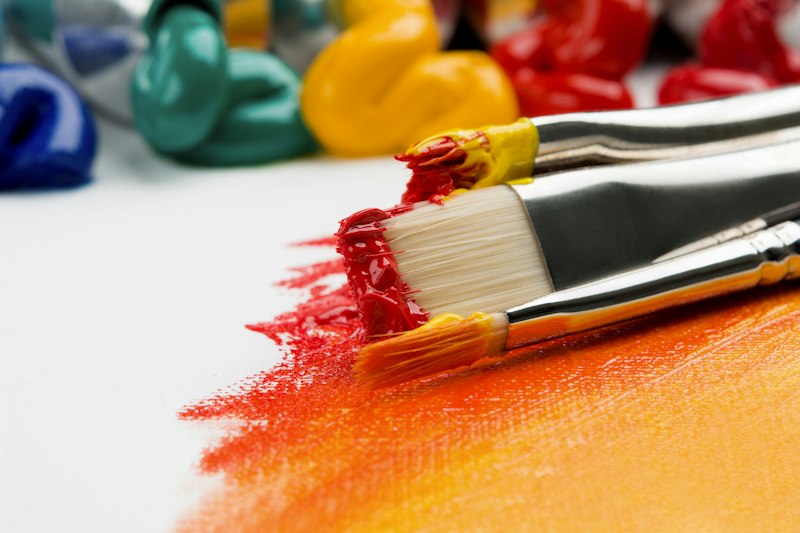
Studies from researchers at Harvard's Project Zero have shown that sustained visual arts training dramatically improves children's capacity for careful observation, hypothesis-forming, and evidence-based reasoning — precisely the skills at the heart of scientific thinking. Art classes, paradoxically, make better scientists.
Dance Develops the Whole Brain
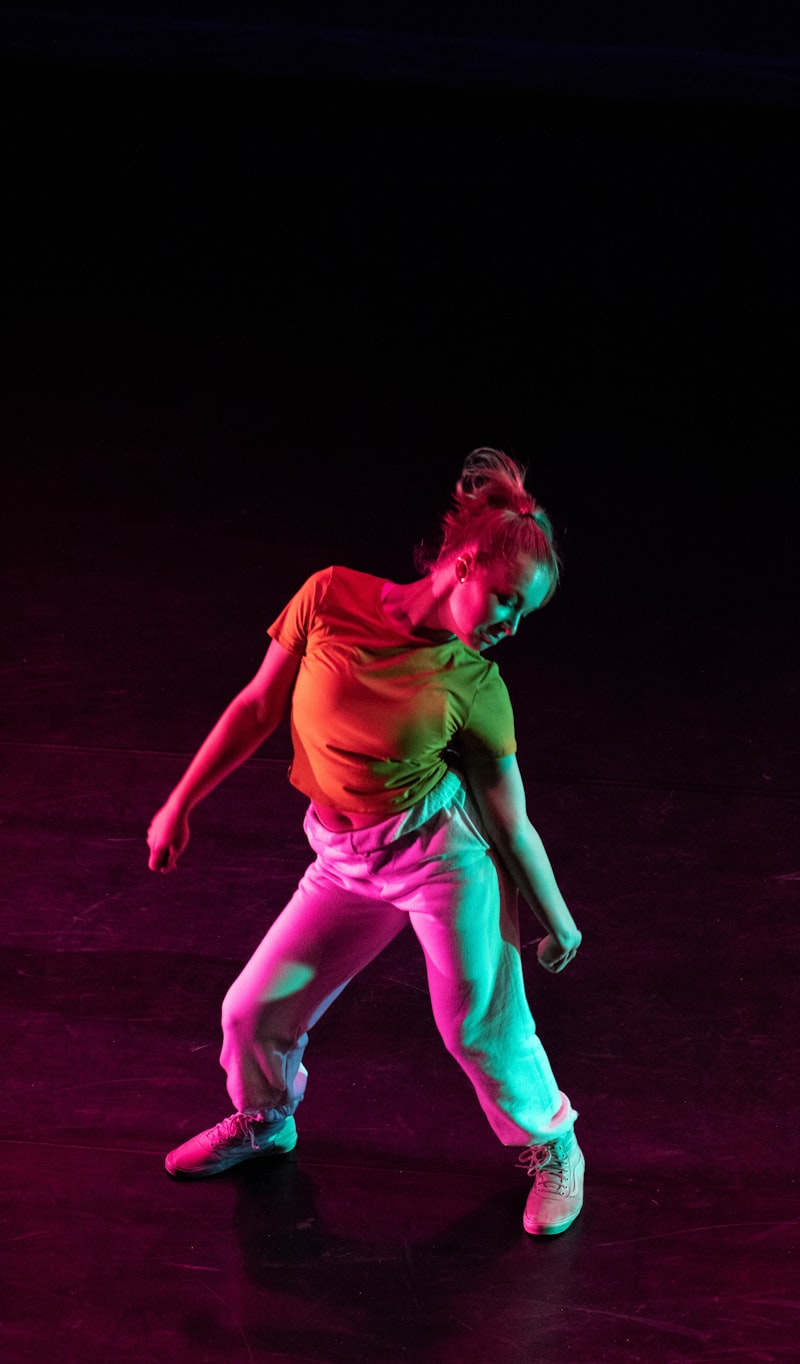
Dance requires simultaneous use of the motor cortex (for movement), auditory cortex (for rhythm), frontal lobe (for sequence memory), and limbic system (for emotional expression). No other common childhood activity exercises all of these systems simultaneously. Brain imaging studies show that dancers have enhanced connectivity across these regions — a whole-brain integration that supports learning in every domain.
The Role of Hand-Brain Connection
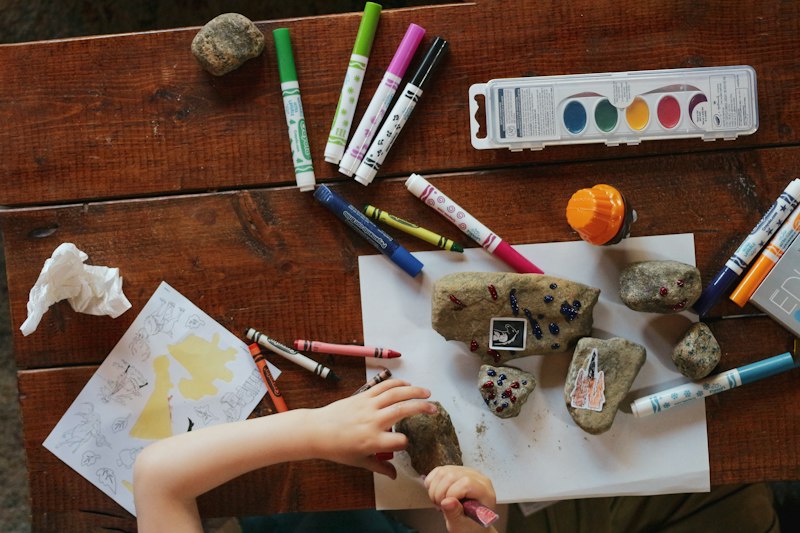
Crafting and drawing activate the direct connection between hand and brain — a neural highway that is among the most important in human cognition. Manual dexterity and fine motor skill development directly correlate with cognitive development. Children who work extensively with their hands — drawing, weaving, playing instruments — develop richer, more sophisticated neural networks.
The Window Is Now
The critical period doesn't wait. Every year a child spends without arts engagement is a year when the brain is developing anyway — but along narrower paths. Every year a child is engaged in music, dance, or visual arts is a year when the brain expands and deepens in ways that cannot be fully replicated later.
At Talent World, we understand that we are not just teaching children to dance or draw. We are helping to build their brains, their characters, and their capacities for a lifetime. That is a responsibility we take with the greatest care and devotion.

Pratibha Goswami
Teacher & Founder, Talent World Rajsamand
Want to enrol your child?
Join our classes in drawing, music, dance and crafting at Talent World, Rajsamand.